
Environmental action
Environmental action
The Department of Indre-et-Loire, owner of the Balzac Museum, is committed to supporting the ecological transition by mobilizing its expertise to reduce the environmental impact on the region and protect its natural resources. Preserving natural habitats, promoting sustainable practices, and adapting public policies to climate change are among its key commitments toward a more responsible future.
In June 2025, the Department of Indre-et-Loire signed an Environmental Performance Contract (CPEnv)—the first of its kind in France—combining energy efficiency, sustainable water management, biodiversity conservation, and the development of renewable energy sources. The local authority has also adopted a greenhouse gas emissions reduction pathway with a target date of 2040. Together, these initiatives form the basis of a comprehensive strategy implemented across all areas of departmental action, including the protection of soils and forests, support for renewable energy, and the promotion of a fair and inclusive transition.
On the ground, this strategy is reflected in the ecological management of public spaces, the promotion of sustainable tourism, and the responsible use of resources. Both natural and cultural heritage are fully integrated into this approach. The Department works to ensure that the monuments and museums under its care are managed in line with today’s environmental challenges: energy efficiency, responsible use of materials, environmentally conscious practices, and sustainable operations. The objective is not only to preserve these sites, but also to rethink their management and maintenance through an ecological lens.
Concrete actions at the Balzac Museum
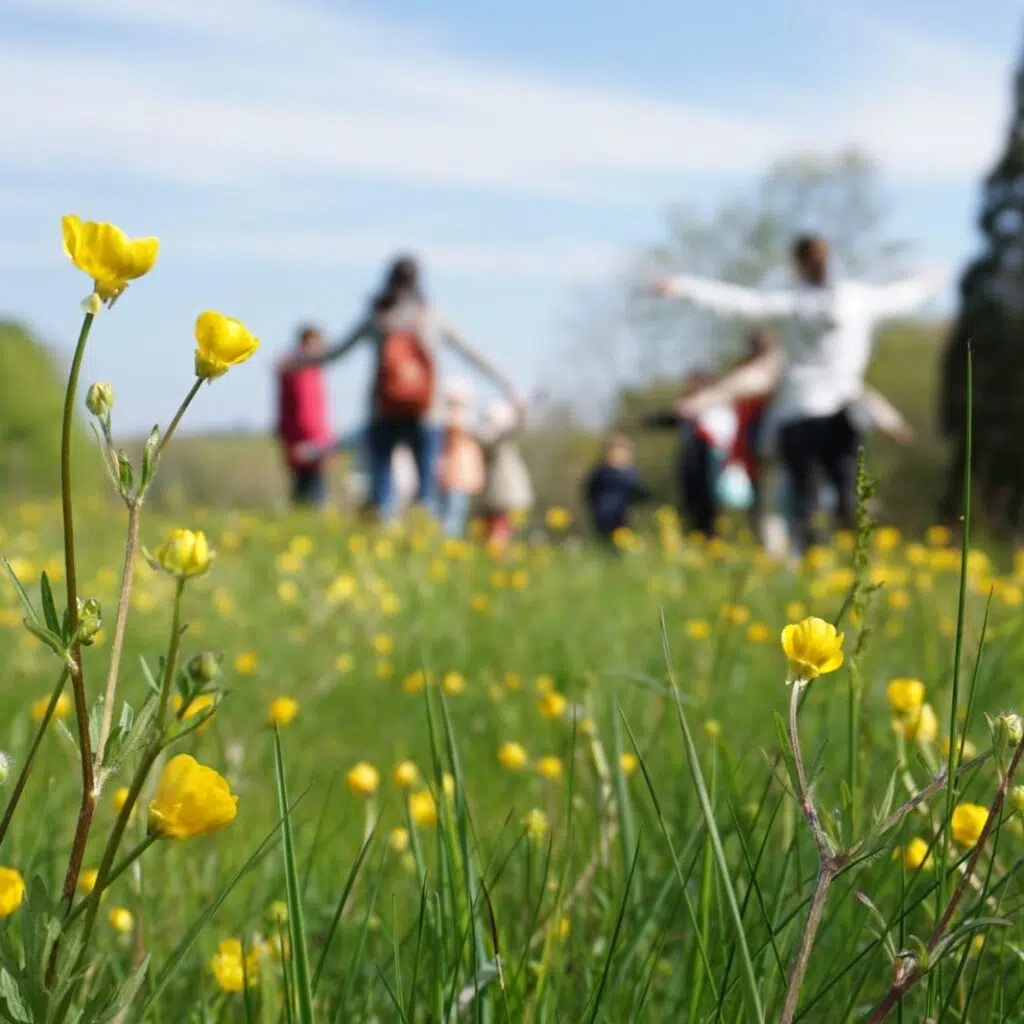
- Late-season mowing of the park, restoring the character of historic orchards and encouraging floral biodiversity.
- Wildflower meadows, the recreation of a kitchen garden, and orchards planted with heritage fruit varieties on the exact site of the 1820 vegetable gardens, identified through the Atlas de la Terre de Saché. Botanical information is displayed on slate markers.
- Deckchairs and “library beehives” made from natural materials (wood, stone, and plant-based elements), installed beneath the shade of century-old trees during the summer months.
- Original nature-based activities, including open-air concerts enjoyed while lying on the grass, herbal tea workshops, literary walks, barefoot trails, and “Balzacian siestas.”
- A museum shop promoting French and locally produced goods.
- Encouragement of cycling among visitors through the Accueil Vélo certification and a Green Ticket initiative.